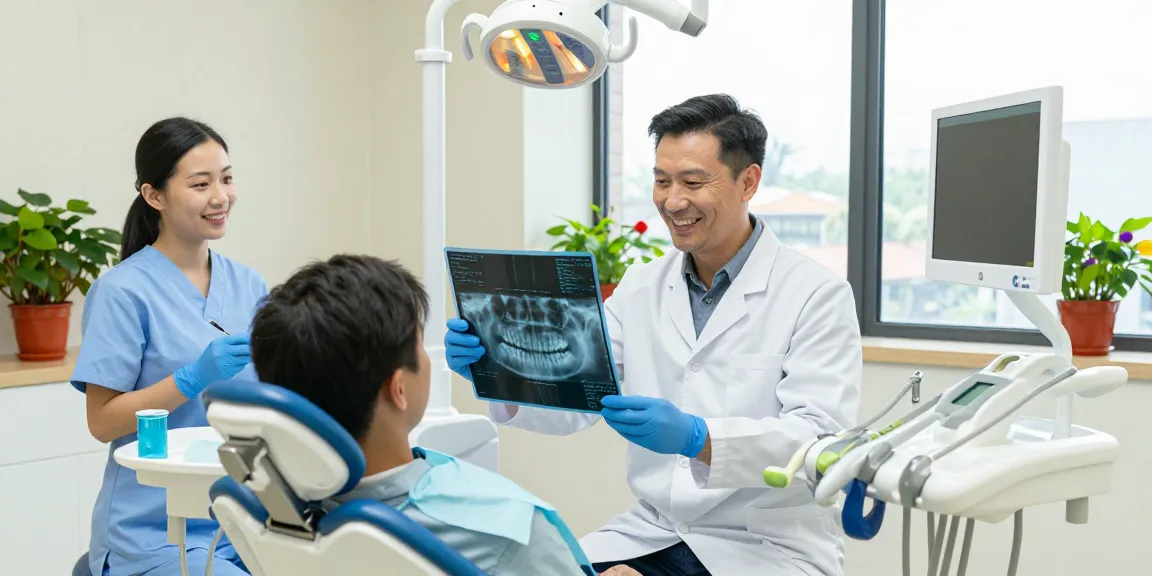
Understanding Your Dental Needs
When it comes to dental health, understanding your needs is the first step in achieving a healthier, more confident smile. Whether you're seeking routine care, specialized treatment, or just want to explore your options, knowing what to look for in a dentist can greatly enhance your experience. An effective approach involves a combination of self-assessment and utilizing available resources. For instance, when exploring options, check out this site to find comprehensive insights on local dental professionals.
What to Look for in a Dentist?
Choosing the right dentist involves considering several factors. Credentials and experience are paramount, but don't overlook aspects like office environment, staff professionalism, and communication. You should also evaluate the dentist's approach to patient care—do they prioritize comfort and education? Testimonials from previous patients can offer invaluable information on what to expect.
Common Dental Services Explained
Dental services vary widely, catering to different needs. Some of the most common include:
- Preventive Care: Regular check-ups, cleanings, and fluoride treatments to maintain oral health.
- Restorative Treatments: Procedures like fillings, crowns, and bridges to repair damaged teeth.
- Cosmetic Dentistry: Enhancements such as veneers, whitening, and bonding that improve the appearance of your smile.
- Orthodontics: Solutions like braces or aligners to correct misaligned teeth and jaws.
Understanding these services helps ensure you find a dentist who can meet your specific dental needs effectively.
Assessing Your Personal Dental Health
Your unique dental history and current health status play critical roles in determining what type of dental care you require. Are you experiencing any discomfort? Do you have a history of dental issues? Answering these questions will guide you in selecting the right dental professional. Regular self-assessment can aid in recognizing changes in your oral health early on, prompting timely consultation.
Finding the Right Dentist in Your Area
Finding a qualified dentist in your locality can be streamlined through both online searches and community recommendations. Local resources, reviews, and dental associations can provide lists of accredited professionals.
Utilizing Online Resources Effectively
The internet is a treasure trove of information when searching for dental services. Websites and platforms dedicated to healthcare can help you locate dentists in your area, view patient ratings, and even check appointment availability in real-time. Make sure to evaluate the information critically, as not all sources are equally reliable.
Importance of Patient Reviews
Patient reviews can be enlightening, offering insights into the quality of care a dentist provides. Look for detailed reviews that discuss experiences regarding treatment effectiveness, staff behavior, and overall satisfaction. While one or two negative reviews shouldn’t deter you, a consistent pattern of complaints may be a red flag.
Local vs. Specialized Dental Care
Understanding the difference between local and specialized care is essential. General dentists often provide a wide range of services, while specialists, such as orthodontists or endodontists, focus on specific areas. If you have particular dental issues, it might be worth seeking a specialist who has advanced training in that field.
The Appointment Booking Process
Booking an appointment should be a straightforward process, but knowing the steps involved can enhance your experience and save time.
Steps to Book an Appointment Online
Booking an appointment online generally involves a few simple steps:
- Visit the dental clinic’s website.
- Navigate to the appointment section.
- Select a date and time that works for you.
- Fill in your personal and insurance information.
- Receive a confirmation email or message.
Many clinics now offer instant online scheduling, making it easier than ever to secure a slot that fits your schedule.
What to Expect During Your First Visit?
Your first appointment is often a comprehensive evaluation. Expect the dentist to review your dental history, conduct a thorough check-up, and possibly take X-rays. This visit is crucial as it sets the foundation for your future dental care.
Managing Emergency Dental Appointments
Dental emergencies can happen at any time. Knowing how to handle these situations is vital. Most practices offer emergency services, so it’s essential to contact your dentist immediately if you're in pain or have suffered an injury. They can provide guidance on the next steps to take and prioritize your care accordingly.
Maintaining Dental Hygiene Between Visits
Between your regular check-ups, personal care is vital to maintaining oral health.
Daily Dental Care Practices
Basic daily care should include:
- Brushing your teeth twice daily with fluoride toothpaste.
- Flossing at least once a day to remove plaque between teeth.
- Using mouthwash to help reduce plaque and bacteria.
Consistency in these practices significantly impacts your overall dental health.
Recognizing Warning Signs of Dental Issues
Be attentive to changes in your dental health. Symptoms such as persistent pain, swelling, or bleeding gums may indicate underlying issues. The sooner you address these concerns with your dentist, the better the outcome is likely to be.
When to Schedule Additional Appointments
Regular dental visits are crucial, but if you experience any changes in your oral health, consider scheduling an appointment sooner. Additionally, those with a history of dental issues may benefit from more frequent visits.
The Future of Dental Care in 2026 and Beyond
The landscape of dental care is continuously evolving, influenced by advancements in technology, patient preferences, and healthcare policies.
Emerging Dental Technologies
Innovations such as teledentistry, AI diagnostics, and 3D printing are shaping the field. These technologies promise to enhance patient experiences, making care more accessible and efficient.
Holistic Approaches to Dental Health
Increased awareness of holistic health has led to a rise in practices that promote overall wellness. This includes integrating nutritional advice with dental care, advocating for a diet that supports oral health, and recognizing the connection between dental care and general health.
Anticipating Changes in Dental Insurance
As healthcare continues to shift, dental insurance may also evolve. Anticipate potential changes in policy structures, coverage options, and out-of-pocket costs that will affect how you approach dental care.
How Can You Choose the Right Dentist?
Take time to research and consider multiple factors such as location, services offered, and patient testimonials. Engage with potential dentists during consultations to gauge their approach and compatibility with your needs.
Are Online Reviews Trustworthy?
While patient reviews can provide a useful perspective, they should not be your sole resource. Look for consistent feedback across platforms and combine this with information from trusted healthcare sites.
What Should I Bring to My First Appointment?
Be prepared with essential documents such as your ID, insurance information, and any medical records relevant to your dental health. This helps streamline the process and ensures the dentist has a complete understanding of your history.
How Often Should I Visit the Dentist?
Regular visits every six months are recommended for most individuals. However, those with particular conditions may require more frequent appointments. Consult your dentist to determine the schedule that best suits your needs.
What Innovations Can I Expect in Dental Treatments?
Stay informed about new treatments, such as laser dentistry and advancements in cosmetic procedures, which continue to emerge. New methods are often less invasive and can offer quicker recovery times.