
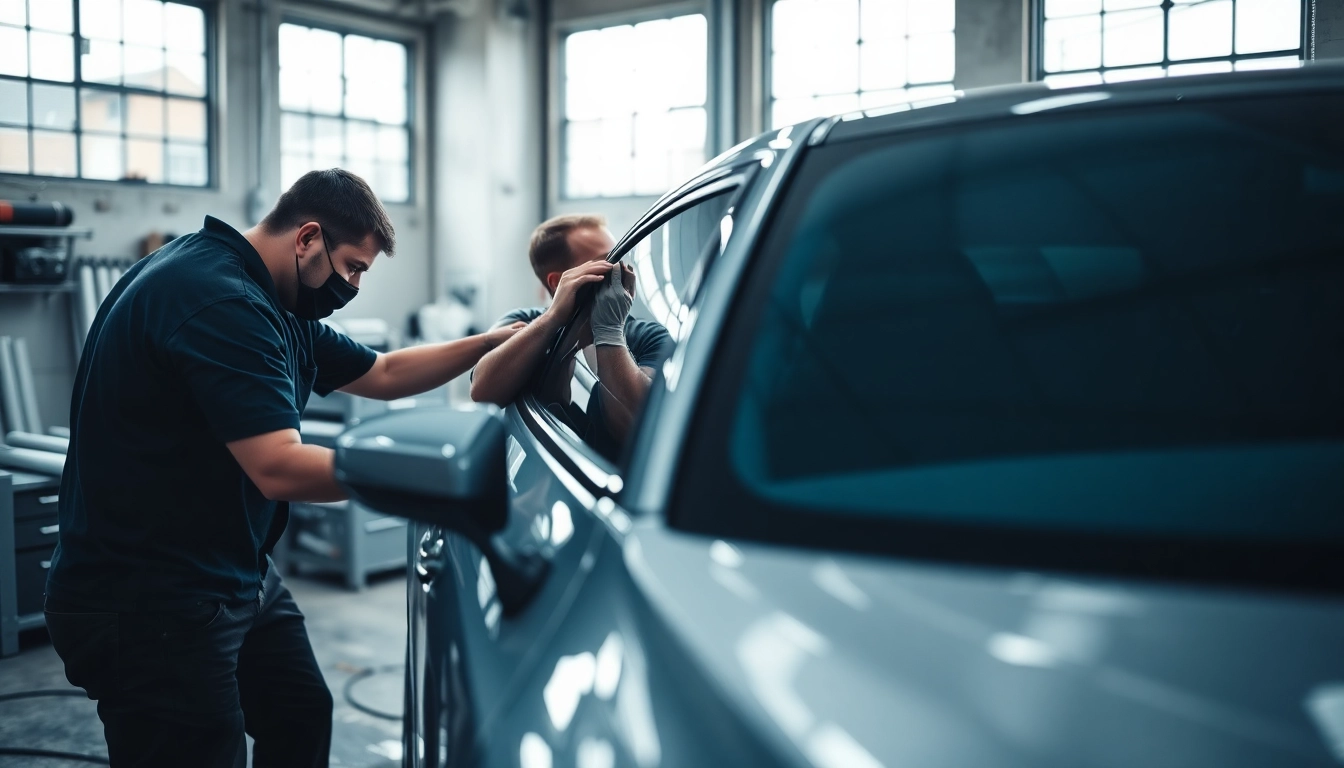
Introduction to Auto Window Tint
Window tinting has transformed from a luxury add-on to a popular necessity for vehicle owners. Given the myriad of benefits it offers, from enhanced aesthetics to added protection against harmful UV rays, many are searching for auto window tint near me. Understanding what auto window tint can do and how to choose the right type can significantly improve your driving experience.
Understanding the Basics of Window Tinting
Window tinting involves applying a thin film to glass surfaces. This film can come in various shades, colors, and materials, each offering different levels of privacy and heat rejection. Auto window tinting is not merely an aesthetic choice; it provides practical benefits that improve the car’s interior conditions and protect passengers. The film can reflect sunlight, reducing heat buildup inside the vehicle and helping to maintain a comfortable driving experience.
Benefits of Auto Window Tint
Choosing to get your vehicle windows tinted offers numerous advantages:
- UV Protection: Tinted windows can block up to 99% of harmful ultraviolet rays, reducing the risk of skin cancer and protecting passengers.
- Temperature Control: The film helps keep your vehicle cooler in summer months, reducing the need for air conditioning and saving fuel.
- Privacy and Security: Tinted windows provide increased privacy for passengers and personal items, acting as a deterrent against theft.
- Glare Reduction: Reducing glare from sunlight enhances visibility, making driving safer.
- Enhanced Aesthetics: A well-tinted vehicle stands out on the road, providing a sleek, modern look.
Types of Auto Window Tint Available
There are several types of window tint films available, each differing in terms of materials, performance, and appearance:
- Dyed Window Tint: This basic method uses dye to give color to the film. It’s cost-effective but offers less heat reduction.
- Metalized Window Tint: Containing tiny metal particles, this film reflects heat effectively but may interfere with electronic devices.
- Carbon Window Tint: This film does not fade over time and provides excellent heat rejection without the interference issues seen with metalized tints.
- Ceramic Window Tint: The highest performance tint, it blocks heat efficiently while allowing UV rays to pass through, offering high durability and clarity.
Factors to Consider When Choosing Window Tint
When searching for the most suitable auto window tint, several key factors should be taken into account:
Legal Regulations for Window Tinting
Each state or region has specific laws governing window tinting regarding the allowed levels of darkness and reflectivity. Before making a purchase, it’s essential to familiarize yourself with local regulations to avoid legal issues.
UPF and Heat Rejection Properties
UPF (Ultraviolet Protection Factor) indicates how well a material blocks UV rays. Tints with higher UPF ratings provide better protection against harmful rays. Similarly, the heat rejection properties of a film determine how effectively it can maintain a comfortable temperature inside your vehicle.
Choosing the Right Tint Percentage
The tint percentage indicates how much light is allowed to enter through the windows. A higher percentage means lighter tint, while a lower percentage denotes darker. Choosing the right percentage is crucial for balancing privacy and visibility.
Finding Auto Window Tint Near Me
Finding a reliable service to apply window tint can enhance your car’s aesthetics and functionality. Here are some strategies for locating the best options in your area:
Using Online Tools and Resources
Websites, social media, and apps can help you discover local auto tinting services. Many platforms allow you to filter results based on customer ratings and services offered.
Evaluating Local Services
Once you’ve located potential tinting services, contact them directly to ask about their experience, certification, and warranty policies. A well-established business should have positive testimonials and a good standing in the community.
Reading Customer Reviews
Customer feedback is invaluable when selecting an auto window tint service. Look for detailed reviews that discuss the quality of the tint, professionalism of the installers, and post-installation support. This will give you confidence in your choice.
Installation Process and Tips
The installation of window tint can greatly affect its performance and durability. Here’s a breakdown of the installation process:
Preparing Your Vehicle for Tinting
Before installation, it’s important to prepare your vehicle. This includes cleaning the windows thoroughly to ensure smooth application, and removing any items from the vehicle that could hinder the installation process.
Step-by-Step Installation Overview
- Measure and Cut: The window tint film should be measured accurately to fit each window, and then cut using precise tools.
- Application: The film is sprayed with a solution and applied to the window.
- Smoothing: Using a squeegee, the installer removes air bubbles and water from beneath the film.
- Trimming: Any excess film is carefully trimmed to ensure a perfect fit.
Post-Installation Care
After installation, you’ll want to follow care instructions, which typically include avoiding rolling down windows for a few days and ensuring windows are cleaned using non-abrasive materials. Following these guidelines will help ensure the longevity of your window tint.
FAQs about Auto Window Tint
What is the average cost of window tint?
The average cost for professional window tint installation ranges from $200 to $500, depending on the vehicle and type of tint selected.
How long does window tint last?
High-quality window tint can last anywhere from 5 to 15 years, depending on the type of film and environmental conditions.
Can I install window tint myself?
While DIY tint kits are available, professional installation is recommended for optimal quality and durability.
Will window tint affect my visibility at night?
Quality films are designed to minimize glare while maintaining good visibility at night. Choosing the right tint percentage is key.
How do I maintain my tinted windows?
Mild soap and water are ideal for cleaning tinted windows. Avoid using ammonia-based cleaners, as they can damage the tint.