
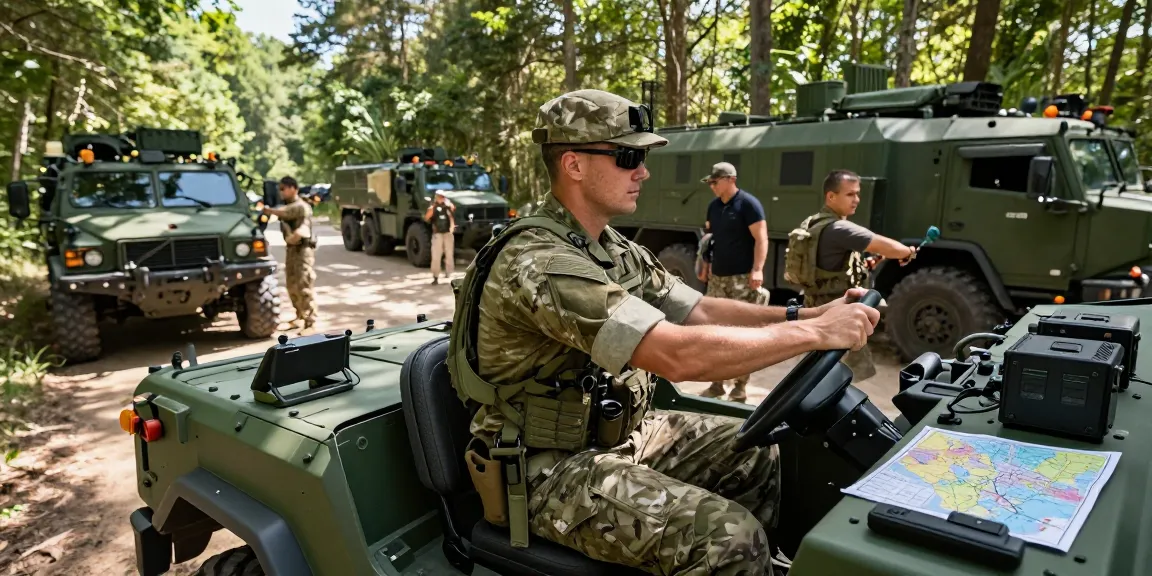
The Essential Role of 88M Motor Transport Operators
In the realm of military operations, the role of Motor Transport Operators, specifically those classified as 88M, is vital to ensuring that logistics run smoothly and efficiently. These operators are the backbone of transportation within the Army, responsible for the safe and effective movement of personnel and cargo across various terrains. As we delve into the intricacies of the 88M position, it’s essential to understand not only the responsibilities but also the skills and training required to excel in this role. For those looking to explore options in this field, 88m offers comprehensive insights into what it takes to be an operator.
Understanding the 88M Job Description
Motor Transport Operators (88M) are tasked with the operation and supervision of wheeled vehicles. This includes everything from light trucks to heavy military vehicles. Their primary responsibility is to ensure that troops and equipment are transported safely and efficiently to their designated locations. This role not only demands technical driving skills but also requires a deep understanding of military logistics and operational protocols.
- Manage and supervise the loading and unloading of vehicles.
- Conduct routine maintenance checks on vehicles to ensure they are in good working order.
- Coordinate transport missions, ensuring all safety regulations are adhered to.
- Operate various types of vehicles, including tactical and non-tactical.
The Importance of Transportation in Military Logistics
Transportation plays a pivotal role in military logistics, as it directly impacts the effectiveness of combat operations. The ability to move personnel and resources quickly can be the difference between victory and defeat in critical situations. The 88M role is crucial in maintaining the operational tempo required in modern military engagements. As the Army continues to evolve, the significance of these operators in supporting combat readiness cannot be overstated.
Skills Required for Successful 88M Operators
To be a successful 88M, individuals must possess a range of skills beyond just driving. Key competencies include:
- Technical Proficiency: The ability to operate and maintain various military vehicles.
- Problem-Solving Skills: Quickly addressing issues that arise during transport operations.
- Communication Skills: Coordinating with team members and other units effectively.
- Attention to Detail: Ensuring that all safety protocols are followed during transport.
Training Pathways for Aspiring 88M Operators
The journey to becoming an 88M Motor Transport Operator involves rigorous training, starting with Basic Combat Training (BCT) followed by Advanced Individual Training (AIT). This structured approach ensures that operators are well-prepared for the challenges they will face in the field.
Basic Combat Training Overview
Basic Combat Training is the first step for all Army recruits, regardless of their eventual role. During BCT, soldiers learn fundamental military skills, including teamwork, discipline, and physical fitness. This phase lasts approximately ten weeks, equipping recruits with the essential skills necessary to serve in the Army.
Advanced Individual Training: What to Expect
After BCT, aspiring 88M operators undergo AIT, which focuses specifically on the skills necessary for motor transport operations. This training lasts around six weeks and covers:
- Vehicle operation and maintenance.
- Loading and unloading procedures.
- Safety protocols and regulations.
Graduates of AIT emerge with the technical expertise needed to fulfill their roles effectively and safely.
Certification and Continuous Learning Opportunities
Beyond initial training, continuous learning is crucial for success as an 88M operator. Opportunities for further certification and specialized training exist within the Army, enabling operators to enhance their skills further. This ongoing development is vital in adapting to evolving technologies and methods in military logistics.
Challenges Faced by 88M Motor Transport Operators
While the role of an 88M is integral to military operations, it does come with its fair share of challenges. Understanding and addressing these challenges is key to maintaining effectiveness in the field.
High-Pressure Situations and Decision-Making
88M operators often find themselves in high-pressure scenarios where quick decision-making is essential. Situations such as navigating hostile environments or responding to urgent transport requests require operators to remain calm and make sound judgments quickly.
Handling Logistics in Diverse Environments
The ability to operate in various terrains—from urban settings to austere environments—is critical for 88M operators. Each setting presents unique challenges, such as vehicle maintenance in extreme weather or ensuring safe travel routes in conflict zones. Operators must be adaptable and resourceful to manage these logistics effectively.
Work-Life Balance in Military Operations
Maintaining a healthy work-life balance can be difficult for 88M operators, who often face long hours and unpredictable schedules. Finding ways to manage personal time while fulfilling military duties is essential for mental health and overall job satisfaction.
Best Practices for Effective Transportation Logistics
To excel in their roles, 88M operators must implement best practices that enhance operational efficiency and safety during transportation logistics.
Utilizing Technology for Operational Efficiency
Modern technology plays a significant role in optimizing transportation logistics. From GPS tracking to advanced vehicle maintenance systems, leveraging these tools can significantly improve operational efficiency. Staying updated on the latest technological advancements is crucial for operators aiming to enhance their performance.
Team Coordination and Communication Strategies
Effective communication is vital in coordinating transport missions. 88M operators must establish clear lines of communication with their teams and other military units to ensure seamless operations. Regular briefings and debriefings can facilitate better understanding and cooperation among team members.
Performance Metrics for Success Measurement
Establishing performance metrics is essential for evaluating the success of transportation operations. Key performance indicators (KPIs) such as delivery times, accident rates, and vehicle maintenance records can provide valuable insights into the effectiveness of 88M operations. Monitoring these metrics enables operators to identify areas for improvement and enhance overall performance.
The Future of the 88M Role in Military Operations
The landscape of military operations is continuously evolving, and so too is the role of the 88M Motor Transport Operator. Understanding these changes is essential for current and aspiring operators to remain relevant in their field.
Emerging Trends in Military Transportation
As military operations become increasingly complex, new trends in transportation logistics are emerging. These include the integration of autonomous vehicles and the use of data analytics to optimize transport routes. Keeping abreast of these trends will be vital for 88M operators looking to enhance their capabilities.
Predicted Changes in Training and Operations by 2026
By 2026, it is anticipated that the training programs for 88M operators will incorporate more technology-focused curriculum, including virtual reality simulations for driving and logistics management. These advancements aim to prepare operators for future challenges more effectively.
Impact of Technological Advancements on 88M Responsibilities
Technological advancements will likely redefine the responsibilities of 88M operators. For example, the integration of drones for reconnaissance and supply missions could change how transport operations are planned and executed, necessitating a new skill set for operators.
What Does the Future Hold for 88M Operators?
The future for 88M Motor Transport Operators appears promising but will require adaptation and continuous learning. As the military embraces new technologies and operational strategies, operators will need to evolve alongside these changes to remain effective in their roles.