
Understanding Culinary Trends
The Rise of Interactive Dining
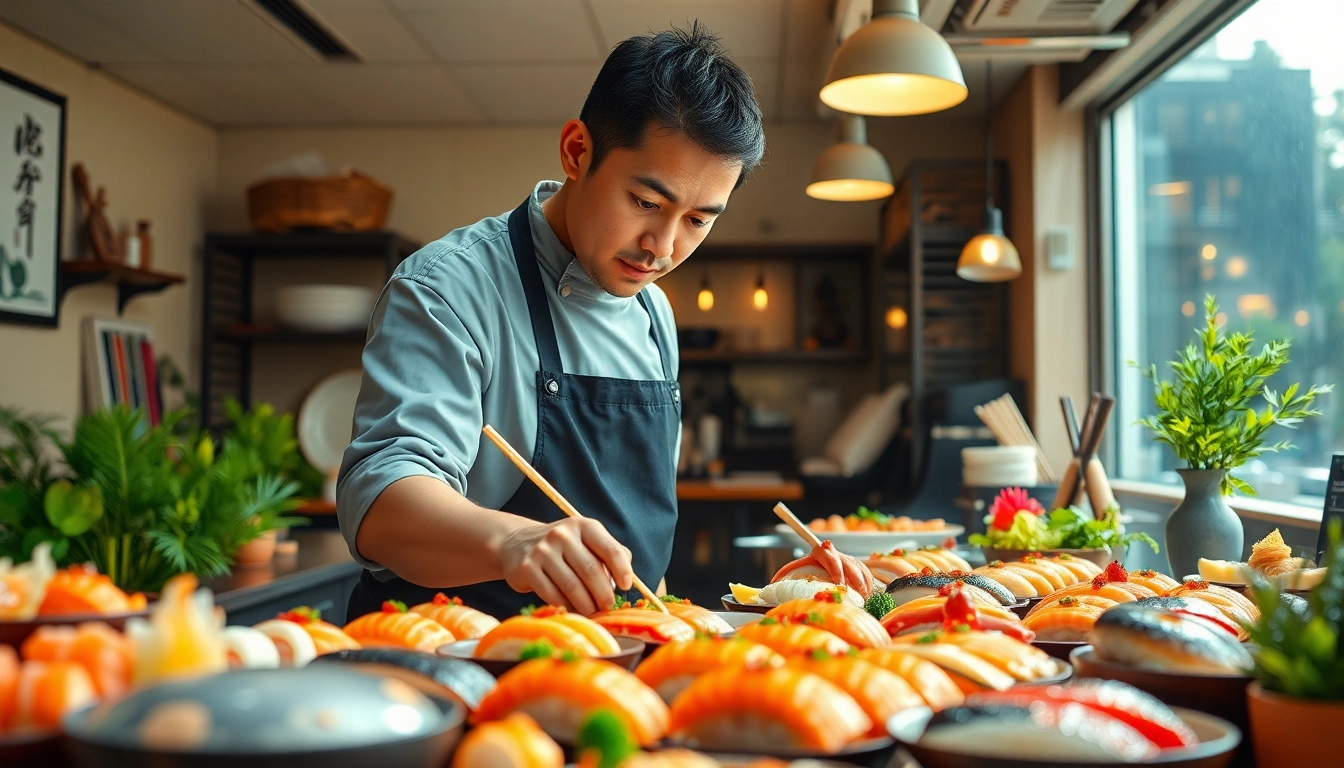
In the modern culinary landscape, interactive dining has emerged as a captivating trend that reshapes how patrons experience their meals. This concept transcends the traditional dining model, engaging guests with hands-on activities that enhance their enjoyment. Examples include cooking classes integrated into dining experiences and DIY food assembly, which allows diners to personalize their meals. Restaurants like MISTER HOKI embody this trend by offering unique opportunities for patrons to interact with their food, thus fostering a deeper connection to the dishes they enjoy.
Health-Conscious Menu Innovations
As consumers become more aware of their health, restaurants are innovating their menus to include health-conscious options that cater to a variety of dietary preferences. Plant-based dishes, gluten-free items, and low-calorie alternatives are becoming staples on menus across the country. Additionally, incorporating superfoods and organic ingredients not only adds nutritional value but also appeals to a growing segment of health-focused diners. This trend pushes chefs to experiment creatively, ensuring that healthy options do not sacrifice flavor or presentation.
Global Influence on Modern Cuisine
With the world more interconnected than ever, global flavors are seeping into local menus, creating a rich tapestry of cuisines that reflect both tradition and innovation. Chefs are blending culinary techniques and ingredients from diverse cultures, resulting in unique dishes that tell a story of global fusion. This trend not only enhances the dining experience but also educates customers about different cultures, encouraging them to explore new flavors that they might not have considered before.
Emphasizing Quality Ingredients
Locally Sourced vs. Imported Products
The debate between locally sourced and imported products is pivotal for restaurants aiming to define their ethos. Local sourcing supports community farmers and ensures freshness, while imported products often offer unique flavors that can enhance a dish. The choice depends on the restaurant’s vision and customer demographics. Establishments can benefit from highlighting their sourcing story, as consumers are increasingly drawn to transparency and ethical practices, allowing them to connect meaningfully with the culinary offerings.
The Role of Organic Ingredients
Organic ingredients are lauded for their health benefits and environmental sustainability, making them increasingly popular in avant-garde cuisine. Restaurants that focus on organic offerings not only cater to health-conscious patrons but also demonstrate a commitment to reducing pesticide use and supporting eco-friendly farming practices. This can create a strong brand identity, appealing to customers who prioritize health, sustainability, and ethical consumption in their dining choices.
Seasonality and Menu Planning
Emphasizing seasonal ingredients is an effective way to enhance flavor profiles and support sustainable practices. Seasonal menu planning allows chefs to utilize the freshest ingredients, which often results in better-tasting dishes. It also encourages variety, as menus change to feature what is currently available. This approach can capture the attention of diners eager to experience new dishes, while also promoting local agriculture by supporting farmers and reducing food miles.
Creating Memorable Atmospheres
Interior Design That Inspires
The atmosphere of a restaurant plays a critical role in shaping diners’ experiences. Thoughtfully designed interiors can contribute to the overall feel of a meal, inviting guests to relax and enjoy. Use of colors, textures, and thematic elements in decor can evoke specific emotions or memories, creating a unique dining experience. Establishments must strive to create a cohesive aesthetic that aligns with their brand identity while ensuring comfort for their guests.
Lighting and Sound Elements
Lighting and sound significantly affect the dining atmosphere, influencing perception and mood. Soft, warm lighting can create an intimate setting, while brighter lighting may foster a lively ambiance, ideal for social gatherings. Background music should complement the theme of the restaurant, enhancing rather than overpowering conversations. By carefully curating these sensory elements, restaurants can craft an environment that resonates with guests, prompting them to return.
Unique Table Layouts and Settings
Innovative table layouts and settings can facilitate social interactions among diners, enhancing the communal aspect of dining. Arranging tables to enhance conversation and connectivity, along with distinctive table settings, can set a restaurant apart. Custom dishware and unique centerpieces can serve as talking points, adding to the overall experience. Attention to detail in table settings often leaves a lasting impression on diners, encouraging them to share their experiences with others.
Enhancing Customer Engagement
Raising the Bar with Customer Service
Excellent customer service is vital in the competitive restaurant industry, as it directly influences customer satisfaction and loyalty. Training staff to provide personalized and attentive service can create a welcoming atmosphere that encourages repeat visits. Empowering employees with knowledge about menu items enhances their ability to make recommendations, ensuring that diners feel valued and understood throughout their dining experience.
Utilizing Social Media Effectively
Social media serves as a powerful tool for restaurants to engage with customers and promote their offerings. Utilizing platforms like Instagram and Facebook not only allows for real-time interaction but also provides opportunities for sharing visually appealing content that attracts new diners. Regularly updating followers on menu changes, special events, and behind-the-scenes glimpses can keep audiences engaged and excited about what the restaurant has to offer.
Feedback Systems for Continuous Improvement
Implementing feedback systems is essential for continuous improvement in the hospitality sector. Encouraging customers to share their thoughts via surveys, comment cards, or online reviews can provide invaluable insights into their dining experience. This feedback can guide menu adjustments, service enhancements, and overall operational improvements, fostering a culture of responsiveness and adaptability that meets the evolving expectations of diners.
Measuring Success in the Restaurant Industry
Financial Metrics to Monitor
Measuring success in the restaurant industry requires careful monitoring of various financial metrics. Key indicators include revenue per available seat hour (RevPASH), average check size, and food cost percentage. By analyzing these metrics, restaurants can identify profitable areas and areas needing improvement, leading to strategic adjustments in pricing or menu design that can enhance financial performance over time.
Customer Satisfaction Surveys
Conducting regular customer satisfaction surveys allows restaurants to gauge how well they are meeting guest expectations. Surveys can cover a range of topics, from food quality to service and atmosphere. By systematically analyzing this data, operators can make informed adjustments that not only enhance the dining experience but also demonstrate to customers that their feedback is valued and acted upon.
Adapting to Changing Market Demands
The restaurant industry is always evolving, and adaptability is crucial for long-term success. Understanding and responding to changing market demands—such as shifting dietary preferences or economic conditions—can keep a restaurant relevant and competitive. Regularly reviewing industry trends and engaging in market research enables restaurants to proactively adjust their offerings and strategies to align with current consumer expectations.
Understanding Current Trends in Restaurant Cuisine
Current trends in restaurant cuisine include local sourcing, plant-based options, and interactive dining experiences that engage patrons. Recognizing these trends can help restaurants stay ahead of the curve and appeal to their target demographic.
Maintaining Menu Freshness
Regularly updating menus based on seasonal ingredients and customer feedback can sustain freshness. Menu innovation, along with careful planning, ensures that offerings remain appealing and relevant.
The Importance of Ambiance in Dining
A well-crafted ambiance enhances the dining experience, encouraging guests to return and recommend the restaurant. Elements like decor, lighting, and music all contribute significantly to a memorable atmosphere.
Effective Customer Engagement Strategies
Utilizing social media, hosting events, and providing personalized experiences foster better customer relationships. Engaging customers through various channels is key to creating loyalty and enhancing overall satisfaction.
Assessing Restaurant Performance
Tracking financial metrics, conducting surveys, and adapting to trends help assess overall performance. Establishing performance benchmarks can guide strategic decision making and improve operational efficiency.
Frequently Asked Questions
What are the current trends in restaurant cuisine?
Current trends include local sourcing, plant-based options, and interactive dining experiences that actively engage patrons.
How can restaurants maintain menu freshness?
Regularly updating menus based on seasonal ingredients and customer feedback sustains freshness and relevance in offerings.
Why is ambiance important in dining?
A well-crafted ambiance enhances the dining experience, encouraging guests to return and recommend the restaurant to others.
What are effective customer engagement strategies?
Utilizing social media, hosting special events, and providing personalized experiences foster stronger customer relationships.
How can restaurants assess their performance?
Tracking financial metrics, conducting customer surveys, and adapting to market trends help assess overall restaurant performance.