
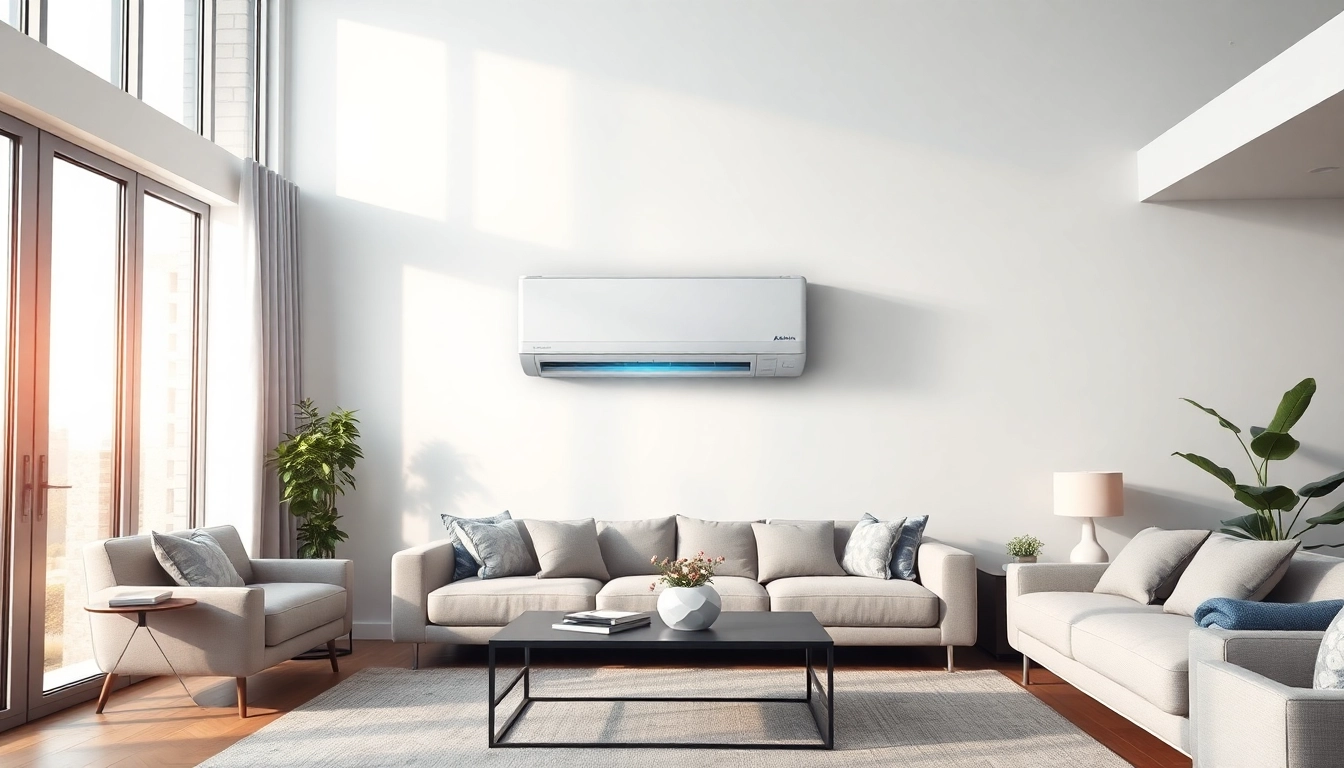
Understanding Daikin Mini Split AC Technology
What is a Daikin Mini Split AC?
Daikin mini split AC systems represent a revolutionary approach to heating and cooling spaces. Unlike traditional HVAC systems that require extensive ductwork, mini splits offer a ductless alternative that includes an indoor and outdoor unit. This compact technology allows for flexible installation, improved energy efficiency, and more precise temperature control in designated areas of your home or business. Notably, these systems are also renowned for their whisper-quiet operation and cutting-edge inverter technology that adapts to your cooling needs effortlessly. To explore various daikin mini split ac options, understanding their mechanics and advantages will enable you to make an informed decision.
How Does it Work?
The operational mechanics of a Daikin mini split AC involve a simple but efficient refrigeration cycle. The outdoor unit houses the compressor, which propels refrigerant through the system. This refrigerant captures and transfers heat from the indoors to the outdoors (in cooling mode) or from outdoors to indoors (in heating mode), depending on the settings. An expansion valve controls the flow and pressure of the refrigerant, which passes through the evaporator coils in the indoor unit, absorbing indoor heat. As the refrigerant evaporates, it cools the coils, thereby chilling the air blown into your space. This system’s energy efficiency is further enhanced by inverter technology, allowing the compressor to operate at variable speeds, maintaining the desired temperature without excessive energy consumption.
Benefits of Ductless Systems
Adopting a ductless mini split system, like those from Daikin, offers numerous advantages for homeowners and businesses alike:
- Energy Efficiency: Ductless systems eliminate energy loss associated with ductwork, providing a more efficient cooling and heating solution.
- Zone Control: With individual controls for each indoor unit, users can tailor the temperature of different rooms according to their preferences.
- Space Saving: Their compact design allows installation in spaces where traditional systems may not fit.
- Improved Indoor Air Quality: Without ducts to accumulate dust and allergens, ductless systems can contribute to better air quality.
- Flexible Installation: Without extensive ductwork, installation is typically quicker and less invasive, saving time and labor costs.
Choosing the Right Daikin Mini Split AC for Your Space
Factors to Consider Before Purchase
Before deciding on a Daikin mini split AC system, it’s essential to evaluate several factors that will influence your choice:
- BTU Rating: Select a unit with the correct British Thermal Unit (BTU) rating based on your room’s size to ensure adequate cooling or heating.
- Noise Levels: Review the unit’s decibel levels, especially for installations in bedrooms or quiet areas.
- Energy Efficiency: Look for the SEER (Seasonal Energy Efficiency Ratio) rating, higher values indicate better efficiency.
- Feature Set: Assess additional features, such as programmable timers, air purification systems, and smart thermostats.
- Warranty and Support: Consider the manufacturer’s warranty and customer service reputation for reliability.
Ideal Room Sizes for Installation
The effectiveness of a Daikin mini split AC heavily relies on matching it to the appropriate room sizes. Here’s a rough guide to understanding BTU requirements:
- A room of 150-250 square feet typically requires a mini split unit with about 6,000 BTUs.
- For rooms ranging from 250-350 square feet, a system with around 9,000 BTUs is more efficient.
- If your space is between 350-450 square feet, 12,000 BTUs would serve best.
- For rooms of 450-550 square feet, consider units with 15,000 BTUs.
- For larger spaces beyond 550 square feet, further consultation is recommended to determine BTU needs.
Energy Efficiency Ratings Explained
When selecting a mini split AC, understanding energy efficiency ratings is crucial for long-term savings. The efficiency of Daikin systems is denoted by SEER ratings, which estimate how much cooling the system provides for each unit of energy consumed. Here’s how to interpret these ratings:
- SEER 13-15: Standard energy efficiency, suitable for moderate climates.
- SEER 16-20: High energy efficiency, ideal for those seeking lower energy costs.
- SEER 21+: Premium energy efficiency for maximum savings, often accompanied by additional eco-friendly features.
Installation Process of Daikin Mini Split AC Systems
Step-by-Step Installation Guide
The installation of a Daikin mini split AC can be undertaken by professionals or intrepid DIYers. Here’s a comprehensive step-by-step guide:
- Selecting the Location: Choose an appropriate location for both indoor and outdoor units—ensure the indoor unit is within easy reach of electrical outlets and not obstructed by furniture.
- Mounting the Indoor Unit: Attach the mounting plate to the wall and install the indoor unit, ensuring it is level and secure.
- Drilling the Holes: Drill a hole through the wall for the refrigerant lines, ensuring it slopes down towards the outdoor unit for proper drainage.
- Connecting Refrigerant Lines: Route the refrigerant lines and connect them to both indoor and outdoor units as per the manufacturer’s instructions.
- Electrical Connections: Set up electrical connections and ensure they match specifications outlined in the user manual.
- Final Setup: Secure the outdoor unit on a stable foundation, perform a vacuum test, and recharge with refrigerant if needed.
Common Installation Mistakes to Avoid
The installation process can be straightforward, but avoid these common pitfalls to ensure optimal performance:
- Ignoring Proper Sizing: Failing to match the AC unit’s capacity with room size can lead to insufficient cooling or wasted energy.
- Neglecting Clearance: Placing outdoor units too close to obstacles can obstruct airflow and efficiency.
- Incorrect Refrigerant Charge: Over- or undercharging refrigerant can harm system efficiency and lifespan.
- Improper Drainage Setup: Ensure drain lines are properly installed and sloped to prevent water build-up.
Professional vs. DIY Installation
Choosing between professional installation and a DIY approach has its pros and cons:
- Professionals: They bring expertise, ensuring compliance with local codes, which can save time and avoid costly mistakes.
- DIY: This can save on labor costs, but it demands a solid understanding of electrical and HVAC principles; errors can void warranties or lead to performance issues.
Maintaining Your Daikin Mini Split AC for Longevity
Routine Maintenance Tips
To ensure your Daikin mini split AC runs efficiently for years to come, regular maintenance is crucial. Here are some routine maintenance tips:
- Filter Cleaning: Clean or replace the air filters every 1-2 months to prevent airflow restrictions.
- Inspect Drain Lines: Check drain lines regularly to avoid treatment of water damage and ensure smooth drainage.
- Outdoor Unit Clearing: Keep the area surrounding the outdoor unit clear of debris and vegetation.
- Annual Professional Checkup: Schedule a professional inspection to check refrigerant levels and clean internal components.
Signs Your Mini Split Needs Repairs
Awareness of potential issues can significantly extend the lifespan of your AC unit. Watch for these warning signs:
- Unusual Noises: Grinding, clanking, or squealing sounds may indicate mechanical issues.
- Reduced Airflow: Diminished airflow can signify blockages or failing compressors.
- Unpleasant Odors: Foul smells often signal mold growth within the unit.
- Increased Energy Bills: A noticeable hike in energy costs may indicate declining efficiency.
How to Clean Your AC Unit Effectively
Cleaning your Daikin mini split AC unit is a straightforward task that can substantially impact its efficiency. Follow these steps for effective cleaning:
- Turn Off Power: Ensure the unit is completely powered down before starting.
- Remove Filters: Take out the filters and wash them with warm, soapy water; allow them to air dry.
- Clean Coils: Use a soft brush or specialized coil cleaner to gently clear dirt away from the evaporator and condenser coils.
- Wipe Down Blower Fan: Cleaning the blower fan with a damp cloth can help maintain optimal airflow.
- Reassemble the Unit: After cleaning, make sure everything is dry before reassembling the components.
Frequently Asked Questions about Daikin Mini Split AC
What is the average lifespan of a Daikin Mini Split AC?
The typical lifespan of a Daikin mini split AC is around 15 to 20 years, given proper maintenance and usage.
Can Daikin Mini Split AC be used for heating?
Yes, many Daikin mini split systems come with heat pump technology, making them capable of heating spaces efficiently.
How often should I service my Daikin Mini Split AC?
It is recommended to service your Daikin mini split AC at least once a year to ensure optimal performance and longevity.
Are Daikin Mini Split AC units noisy?
Daikin mini split AC units are designed to operate quietly, typically producing noise levels around 19 dB, comparable to a whisper.
What is the warranty period for Daikin Mini Split AC?
Most Daikin mini split AC systems come with a warranty of five years on parts, ensuring peace of mind against defects and malfunctions.