
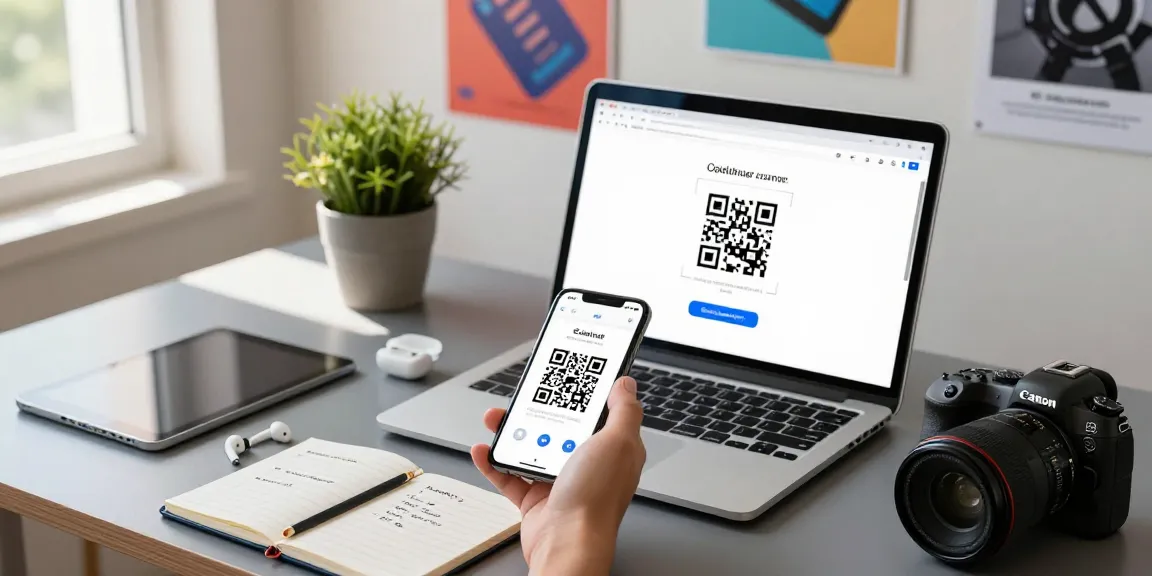
Understanding QR Codes
QR codes, or Quick Response codes, have revolutionized the way we interact with digital content, allowing for instant information access with just a scan. Gone are the days when we had to type URLs or contact information into our devices; now we can simply point our smartphone cameras at these patterned squares and receive a wealth of data. As technology advances further into 2026, the utility and application of QR codes continue to expand significantly, solidifying their place in everyday digital interactions. If you’re exploring options for scanning these codes, consider utilizing a comprehensive qr code scanner that ensures speed and efficiency.
What is a QR Code?
A QR code is a two-dimensional matrix barcode that encodes a variety of information such as text, URLs, contact details, and more. Designed for quick scanning, QR codes can be read by smartphones, tablets, and specialized QR code readers. The information embedded in a QR code can range from simple textual data to complex URLs directing users to websites, making these codes a favored choice for businesses and marketers.
How is Data Encoded in QR Codes?
The encoding of data in QR codes is executed through a simple yet effective mechanism. QR codes consist of an arrangement of black squares (known as data modules) on a white grid. Depending on the pattern of these squares, a QR code can store information in a format that a QR code reader can interpret. When scanned, the reader decodes this data, relaying the information to the user almost instantaneously.
The Technologies Behind QR Code Scanning
Modern QR code scanning technology utilizes a combination of camera functionality and image processing to recognize the specific patterns formed by data modules. This process involves multiple steps, which are executed quickly, allowing users to obtain the encoded information without delay. Enhanced features, such as optical character recognition (OCR) and artificial intelligence, are increasingly being integrated to improve scanning accuracy and speed.
How Does a QR Code Scanner Work?
Understanding the operation of a QR code scanner can enhance user experience. These scanners function by leveraging the camera on devices to capture an image of the QR code. This image is then processed to identify the arrangement of black and white modules, allowing the encoded data to be accessed in real-time.
Step-by-Step Scanning Process
- Open the QR code scanner in a web browser or application.
- Allow access to your camera or upload an image of the QR code.
- Hold the camera steady to ensure the QR code is captured clearly.
- Wait as the scanner processes the image and decodes the data.
- Access the displayed information on your device screen.
Device Compatibility for QR Code Scanning
One of the key advantages of online QR code scanners is their compatibility with a wide range of devices, including smartphones, tablets, and computers. This versatility means that no matter what device you’re using, you can scan QR codes provided they have a functioning camera.
The Role of Internet Connectivity
While scanning QR codes can often be done offline, most online scanners require an internet connection to process the data embedded within the code, especially if the code directs you to a website or online resource. A stable internet connection ensures that users can access the information seamlessly and without interruptions.
Why Choose Our QR Code Scanner?
When selecting a QR code scanner, it’s essential to prioritize features that enhance user experience. Our QR code scanner is designed not only for simplicity but also for comprehensive functionality, ensuring that every user finds it beneficial.
Fast and Easy User Experience
Our QR code scanner boasts a streamlined design that enables quick scanning. With just a few clicks, users can scan QR codes directly from their browser without needing any additional software installations. This efficiency is vital for those who value time and convenience.
Privacy and Security Features
Your privacy is paramount when using our QR code scanner. We do not track, store, or log any scanned data. All information scanned remains on your device, allowing you to use our scanner with complete confidence regarding your personal data safety.
No App Required Advantage
Many QR code scanners require app downloads, resulting in unnecessary clutter on your device. Our tool eliminates this need by functioning directly through your web browser, making it accessible and easy to use from virtually any device, whether it’s a smartphone, tablet, or laptop.
Types of QR Codes Supported
Our QR code scanner supports a wide array of QR code formats, ensuring versatility in reading various types of QR codes.
Standard QR Code Formats
From simple URL codes to complex data structures, our scanner can process all standard QR code formats, allowing you to decode anything from promotional links to business card information seamlessly.
Uploading and Scanning Images
In addition to scanning live QR codes, our platform allows users to upload images containing QR codes. This feature is particularly useful for scanning codes received through email or social media, further enhancing accessibility.
Unique Features for Different QR Codes
Different QR codes can serve various functions—be it directing users to a website, embedding contact information, or providing coupon codes. Our scanner is equipped to interpret all these formats, ensuring you never miss out on the information you need.
Frequently Asked Questions about QR Code Scanners
Do I need to download an app to scan QR codes?
No, you don’t need to download any app to scan QR codes using our service. The scanner works directly from your web browser, making it convenient and efficient.
What types of QR codes can your scanner read?
Our scanner can read all standard QR codes, including those containing URLs, text, contact details, and more.
Is scanning QR codes safe?
Overall, QR codes are safe to scan. However, it is prudent to exercise caution with codes from unknown sources to avoid potential security risks.