
Understanding the IA +18 Framework
The IA +18 framework represents a critical shift in how urban intersections are designed and managed, emphasizing safety and accessibility for all users. As cities grow and the complexity of urban transport increases, implementing effective strategies becomes paramount. The integration of the ia +18 guidelines can help in shaping safer urban environments that prioritize both vehicular and non-vehicular traffic. This article will delve into the significance, key components, and historical context of the IA +18 framework, providing a comprehensive insight into its role in contemporary urban design.
What is IA +18 and its Significance?
IA +18 refers to the guidelines set for improving intersection safety and efficiency through innovative design methods. These standards are crucial in addressing the rising concerns about roadway safety, particularly for vulnerable road users such as pedestrians and cyclists. The significance of these guidelines lies in their ability to create safer, more efficient urban environments where all forms of transportation are considered. By enhancing intersection designs, cities not only improve safety but also foster more sustainable transportation habits.
Key Components of the IA +18 Guidelines
The IA +18 guidelines comprise several essential components that guide urban planners and engineers in designing safer intersections:
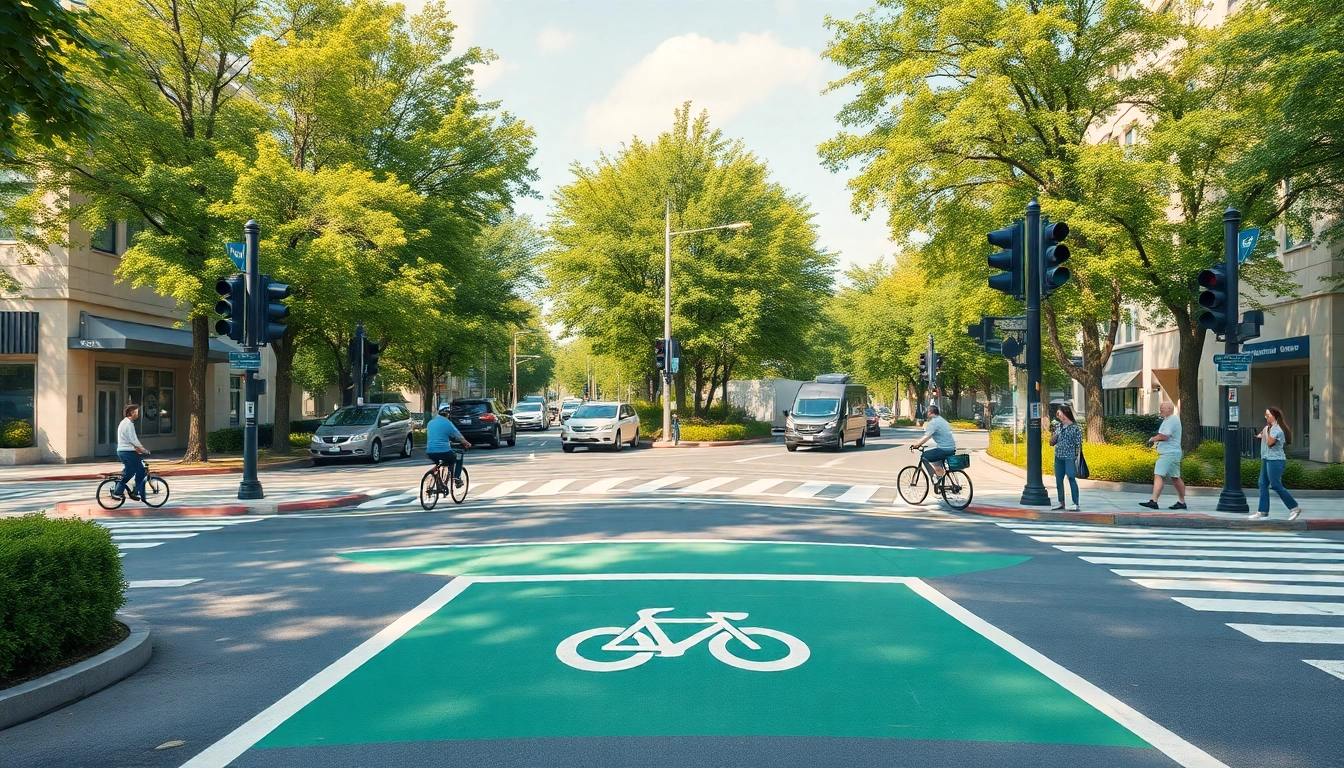
- Bicycle Boxes: These designated areas located at the front of traffic lanes allow cyclists to position themselves ahead of vehicles during red lights, increasing visibility and safety.
- Improved Signalization: Implementing clearer and more intuitive traffic signals helps in reducing confusion, particularly for pedestrians and cyclists.
- Clear Markings: Enhanced road markings for pedestrian crossings and bicycle lanes ensure that all users understand the designated paths, reducing potential conflicts.
- Community Input: Engaging local communities in the planning process can lead to more effective designs that meet the specific needs of the area.
Historical Context and Development of IA +18
The development of IA +18 guidelines has been influenced by various factors, including an increase in urban population density, rising traffic congestion, and a higher incidence of traffic-related injuries and fatalities. Early iterations of intersection design focused primarily on vehicular flow, often neglecting the safety of pedestrians and cyclists. Over time, as urban populations have grown and awareness of traffic safety has increased, the IA +18 framework evolved to include a wider range of users. This shift reflects a broader trend in urban planning towards integrated and multi-modal transportation solutions.
Implementing IA +18 in Urban Design
Implementing IA +18 guidelines requires a holistic approach to urban design, considering multiple aspects of urban mobility. This section will explore best practices, integration with sustainable planning, and successful case studies.
Design Best Practices for Intersection Safety
To effectively enhance intersection safety, urban planners should adopt several best practices outlined by the IA +18 guidelines:
- Traffic Calming Measures: Implementing speed bumps, raised crosswalks, and extended curbs can help reduce vehicle speeds in high-pedestrian areas.
- Multi-Modal Infrastructure: Creating designated lanes for bicycles and improved crosswalks for pedestrians fosters an inclusive environment for all road users.
- Smart Technology Integration: Utilizing real-time data to optimize traffic signals based on current conditions can significantly improve intersection safety and efficiency.
Integrating IA +18 with Sustainable Urban Planning
Integrating IA +18 guidelines into broader urban planning initiatives promotes sustainability. By creating more accessible public transport options and encouraging walking and cycling, cities can reduce their carbon footprint. Moreover, sustainable practices such as green infrastructure—like permeable pavements and urban greenery—can enhance the aesthetic appeal and environmental quality of urban spaces.
Case Studies: Successful IA +18 Implementations
Several cities have successfully implemented IA +18 guidelines, leading to significant improvements in intersection safety:
- San Francisco, California: The city introduced bicycle boxes at major intersections, resulting in a measurable decrease in cyclist accidents.
- Amsterdam, Netherlands: Renowned for its bike-friendly infrastructure, Amsterdam’s integration of IA +18 principles has led to a safer urban environment for cyclists and pedestrians alike.
- Portland, Oregon: The city has implemented innovative signalization strategies that prioritize pedestrian crossings, significantly reducing pedestrian injuries.
Challenges and Solutions in IA +18 Adoption
Despite the promising aspects of IA +18, challenges exist in its widespread adoption. Understanding these challenges and developing robust solutions is key to successful implementation.
Common Misconceptions About IA +18
Some misconceptions persist regarding the IA +18 guidelines, including the belief that they primarily benefit cyclists. In reality, these guidelines enhance the safety and usability of intersections for all road users, including pedestrians and drivers. Education and outreach are essential in overcoming these misconceptions, enabling a broader understanding of the benefits of the guidelines.
Overcoming Resistance from Local Authorities
Local authorities may resist implementing IA +18 due to budget constraints or a lack of understanding of its long-term benefits. Advocating for community engagement and pilot programs can demonstrate the effectiveness of these guidelines without significant upfront investments, thereby alleviating concerns from local leaders and prompting acceptance.
Error Management: A Guide to Implementing IA +18 Effectively
To mitigate potential errors during the implementation of IA +18, cities should adopt a phased approach. This involves testing new designs in low-stakes environments and gathering feedback before full-scale adoption. Continuous monitoring and adjustment of designs based on user feedback will help refine approaches, ensuring that the implementation is responsive to the needs of all users.
Measuring the Impact of IA +18 Initiatives
Measuring the effectiveness of IA +18 guidelines is crucial for understanding their impact on urban mobility and safety. This section outlines various metrics and feedback strategies.
Performance Metrics for Intersection Safety
Several performance metrics can be employed to assess the impact of IA +18 initiatives:
- Reduction in Accidents: Tracking incidents before and after implementation provides a clear picture of safety improvements.
- Traffic Flow Efficiency: Analyzing traffic data can reveal how IA +18 measures impact overall flow rates at intersections.
- Public Satisfaction Surveys: Gathering feedback from the community helps assess the perceived safety and usability of new designs.
Community Feedback: Gathering Insights post-Implementation
Post-implementation feedback is vital for continuous improvement. Engaging the community through surveys, town hall meetings, and online forums allows planners to gather diverse perspectives and make necessary adjustments to the design. This engagement fosters a sense of ownership among residents, encouraging further support for future initiatives.
Long-term Data Analysis of IA +18 Effectiveness
Conducting long-term studies of IA +18 effectiveness helps cities understand the sustainability of implemented measures. Analyzing traffic patterns, accident rates, and community feedback over several years enables planners to assess the long-term impact of these interventions on urban mobility.
The Future of Urban Mobility and the IA +18 Evolution
The future of urban mobility is closely tied to the evolution of guidelines like IA +18, as cities strive to become safer and more navigable. This section discusses predicted developments and the role of technology in shaping future urban transport.
Predictions for IA +18 Developments by 2025
By 2025, it is anticipated that IA +18 guidelines will evolve to incorporate more advanced technologies, such as artificial intelligence and machine learning. These technologies will assist in creating adaptive traffic signals that respond in real-time to traffic conditions, further enhancing intersection safety.
Emerging Trends in Urban Transportation Planning
Emerging trends include a greater emphasis on pedestrian-centric designs and the integration of smart technology. As electric vehicles become more prevalent, cities will need to adapt their infrastructure to accommodate these changes while maintaining safety for all users.
How Technology Will Shape the Future of IA +18
Technology will be a pivotal factor in shaping the future of IA +18. Innovations such as smart traffic signals, pedestrian detection systems, and real-time data analysis will allow for more dynamic and responsive urban environments. These advancements can significantly reduce accidents and improve the overall efficiency of urban transportation systems.