
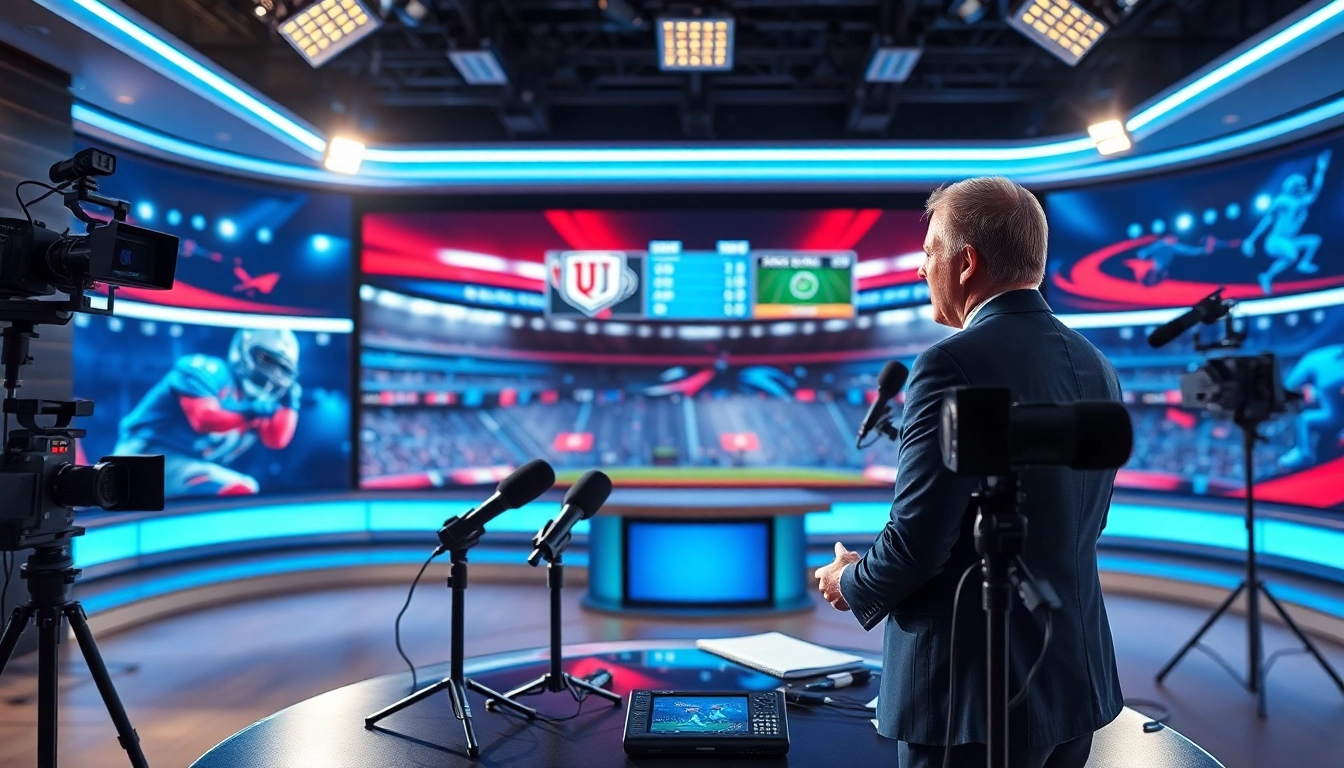
The Evolution of Sports Broadcasting
Sports Broadcasting has transformed drastically over the years, playing a significant role in how fans engage with their favorite sports. From its humble beginnings in radio broadcasts to the rise of high-definition and interactive platforms, the landscape of sports entertainment continues to evolve. Understanding this evolution is crucial for stakeholders looking to navigate the complex world of Sports Broadcasting.
History and Milestones in Sports Broadcasting
The journey of Sports Broadcasting began in the early 20th century with radio broadcasts of live sports events. The first baseball game broadcast occurred in 1921, paving the way for other sports to follow suit. Television entered the scene in the 1930s, but it was not until the 1950s that sports began to garner widespread attention on the small screen. Iconic events like the Super Bowl, the Olympics, and the World Cup transformed TV sports into a cultural phenomenon.
As technology advanced, so did broadcasting techniques. The introduction of instant replay in the 1960s revolutionized viewer engagement by allowing fans to relive key moments in real time. The 1980s brought about cable television, expanding access to diverse sports programming, while the 2000s witnessed the rise of digital platforms, enabling viewers to consume content on multiple devices.
Technology’s Influence on Sports Broadcasting
Advancements in technology have continuously reshaped Sports Broadcasting. High-definition (HD) and 4K broadcasts enhance viewer experience, offering crystal-clear imagery and sound. Innovations like virtual and augmented reality in broadcasts immerse fans in the action as never before. Data analytics also play a vital role in broadcasting, providing commentators with in-depth insights that enhance storytelling.
Moreover, the rise of mobile streaming has redefined accessibility. Fans can now watch live games on the go, fostering a sense of connection regardless of geographic barriers. Social media platforms provide an avenue for real-time interaction, allowing viewers to engage during live events and creating a sense of community.
Future Trends and Innovations in Sports Broadcasting
Looking forward, the future of Sports Broadcasting appears increasingly integrated with technology. The use of artificial intelligence (AI) will likely become more prevalent, aiding in content creation and viewer customization. For instance, AI can analyze audience preferences to tailor content, promoting long-term engagement. Further, the expansion of 5G technology will enhance streaming quality, allowing for ultra-responsive broadcasts with minimal lag.
Personalization is expected to reach new heights as broadcast platforms provide every viewer with a unique experience, including customizable graphics tailored to individual interests. Additionally, we anticipate a growing emphasis on sustainability in broadcasting practices, as networks adopt eco-friendly technologies and methodologies.
Key Challenges in Sports Broadcasting
Viewership Declines and Competition
Despite its evolution, the sports broadcasting industry faces several challenges, notably viewership declines attributed to the shifting preferences of younger audiences. The advent of on-demand streaming services has intensified competition, as traditional broadcasters struggle to retain viewers. This trend necessitates a reevaluation of content delivery strategies and marketing approaches to appeal to evolving consumer demands.
Competing platforms now require a more nuanced understanding of viewer habits, as audiences increasingly multitask or transition to platforms where they can control their viewing experiences.
Balancing Traditional and Digital Platforms
The convergence of traditional and digital platforms presents challenges for broadcasters striving to find an effective balance. While traditional TV remains relevant, digital platforms offer an agile means for content distribution. Broadcasters must integrate their offerings across channels to deliver seamless experiences, ensuring viewers can transition effortlessly between TV and online formats.
Strategies may include simulcasting events across different platforms or launching exclusive digital content to attract online audiences, thereby maximizing reach and revenue potential.
Meeting Audience Expectations in Sports Broadcasting
Viewer expectations have never been higher, driven by a demand for real-time updates, interactive elements, and personalized experiences. Audiences seek immersive content that goes beyond the live event itself. Broadcasters face the challenge of meeting these expectations through innovative programming and engaging storytelling.
Further, the rise of eSports and niche sports broadcasting presents new opportunities for growth but also represents a need for traditional networks to diversify their content to attract broader demographics.
Best Practices for Successful Sports Broadcasting
Crafting Engaging Content in Sports Broadcasting
Creating engaging content is paramount in maintaining viewer interest and loyalty. Broadcasters should focus on storytelling, not just the event itself. Highlighting player backgrounds, fan experiences, and real-time statistics enriches the narrative and enhances emotional investment.
Utilizing expert commentary can also elevate the viewing experience, providing depth and context to live events. Developing partnerships with influencers or former athletes can boost engagement by bringing authentic voices to the broadcast.
Leveraging Social Media for Audience Growth
Social media platforms are powerful tools for audience engagement. They enable broadcasters to create interactive experiences that encourage fan participation before, during, and after events. Live-tweeting during games, running contests, and sharing behind-the-scenes content can foster a sense of community among fans.
Moreover, utilizing analytics to understand what type of content resonates with viewers can help tailor social media strategies, ensuring they align with audience preferences and behaviors.
Enhancing Viewer Experience through Technology
Technology is instrumental in enhancing viewer experience. Implementing features like interactive graphics, augmented reality, and multi-angle viewing options allows fans to engage with the broadcast in various ways. Additionally, seamless integration of mobile apps that provide real-time stats or player tracking enhances overall experience, making it more immersive.
Broadcasters should also prioritize user interface design, ensuring accessibility across devices and easy navigation to maintain viewer interest and satisfaction.
Understanding Your Audience in Sports Broadcasting
Segmenting the Audience for Targeted Content
Understanding the diverse segments within sports audiences is critical for effective content marketing. Broadcasters can analyze demographic data to create targeted programming that appeals to specific groups, enhancing relevancy and engagement rates.
This segmentation allows broadcasters to craft customized marketing strategies, optimizing not just content delivery but also advertising opportunities.
Analyzing Viewer Preferences and Trends
Regular analysis of viewer preferences and trends can provide insights into shifting interests within the sports community. Broadcasters should leverage analytics tools to track viewership patterns, engagement rates, and demographic shifts. This data enables informed decision-making regarding programming and promotional efforts.
Moreover, being responsive to trends such as women’s sports and eSports can open new avenues for audience growth and diversification of content offerings.
Building Community Through Interactive Sports Broadcasting
Interactive elements can significantly enhance community building among sports fans. Broadcasters can incorporate features such as live polls, Q&A sessions, and real-time chats, encouraging viewers to participate actively during broadcasts. This fosters a sense of belonging and loyalty, which can lead to increased viewership and engagement.
Furthermore, creating platforms for fan-generated content allows for a richer, diverse community narrative that broadens the scope of traditional sports broadcasting.
Metrics for Measuring Success in Sports Broadcasting
Insights into Viewer Engagement Metrics
Measuring viewer engagement is essential for understanding the effectiveness of Sports Broadcasting strategies. Key metrics include viewer retention, watch time, and interaction rates on social media. Utilizing sophisticated analytics will help in measuring these factors accurately to refine content further.
Monitoring audience feedback and sentiment can also guide adjustments in programming, ensuring that the content resonates with viewers adequately.
Revenue Streams in Sports Broadcasting
Understanding the various revenue streams available in Sports Broadcasting is crucial for financial sustainability. Traditional advertising, sponsorship deals, affiliate marketing, and subscription-based models are prevalent ways in which broadcasters generate income. Continuously exploring new revenue opportunities within digital platforms can enhance profitability and reach.
Moreover, diversifying partnerships with brands that align with the sports demographic can open new avenues for advertising revenues.
Evaluating Brand Impact in the Sports Broadcasting Space
Assessing the brand impact of Sports Broadcasting is vital for measuring success. This includes analyzing brand visibility, reputation, and loyalty among viewers. Metrics such as brand mentions, social sentiment, and audience trust can provide insights into a broadcaster’s effectiveness in building a robust brand identity.
Establishing brand partnerships with athletes, teams, and organizations creates opportunities for further brand growth and enhances the broadcaster’s presence within the sports community.
FAQs About Sports Broadcasting
What is Sports Broadcasting?
Sports Broadcasting involves the dissemination of live sports events and related content to audiences via television, radio, or online platforms. It combines commentary, analysis, and reporting to enhance the viewer experience.
How has technology changed Sports Broadcasting?
Technology has revolutionized Sports Broadcasting through HD, 4K streaming, virtual reality, and mobile applications, providing viewers with enhanced experiences and interactivity.
What are the main challenges in Sports Broadcasting?
Main challenges include viewership declines due to competition from digital platforms, meeting evolving audience expectations, and balancing traditional broadcasting with new technologies.
How can broadcasters improve audience engagement?
Broadcasters can enhance engagement through storytelling, interactive content, and leveraging social media to foster community involvement during live events.
What metrics are important for Sports Broadcasting success?
Key metrics include viewer engagement rates, audience retention, revenue generated from various streams, and the overall brand impact on the audience.